

Friday night, 9:40, and the lantern was dead. That was the old one, the D-cell eater I had dragged along for years because it was paid for and I am stubborn about replacing things that sort of work. It took eight batteries, threw a weak yellow circle that died fast, and by the third night of a week-long trip I was rationing light like it cost something. So this spring I finally swapped it out for a Lepro rechargeable LED lantern, and I have been running it on every trip since. This is that review.
I frame houses for a living and camp to unwind. That means my gear gets thrown in a truck bed, dropped on gravel, left in the rain, and expected to work at 10 PM after a long week. This is how the Lepro held up over a few months of weekend trips and one longer stretch in July, and where it still gets on my nerves.
The Quick Verdict
The best lantern I have owned, and the one that goes in the truck first. It is not perfect: the charge meter is vague, the hook is small for some tent loops, and the brightest mode drains fast. But after months of real weekend use, I would buy it again.
Amazon Check Today's Price →A lantern that still works on night three
If you are tired of packing spare batteries and a charger, this is the one I reach for first. It has been in the camp box since spring and has not let me down yet.
Amazon Check Today's Price on Amazon →How I've Used It
I bought the Lepro this spring after the old D-cell lantern finally embarrassed me one too many times. It has been on every trip since: state-park campgrounds around the Finger Lakes, a week-long stretch in July, and a lot of evenings on the shore and in the jon boat. I charge it before I leave, throw it in the bed cap with the rest of the camp gear, and mostly forget about it until the sun goes down.
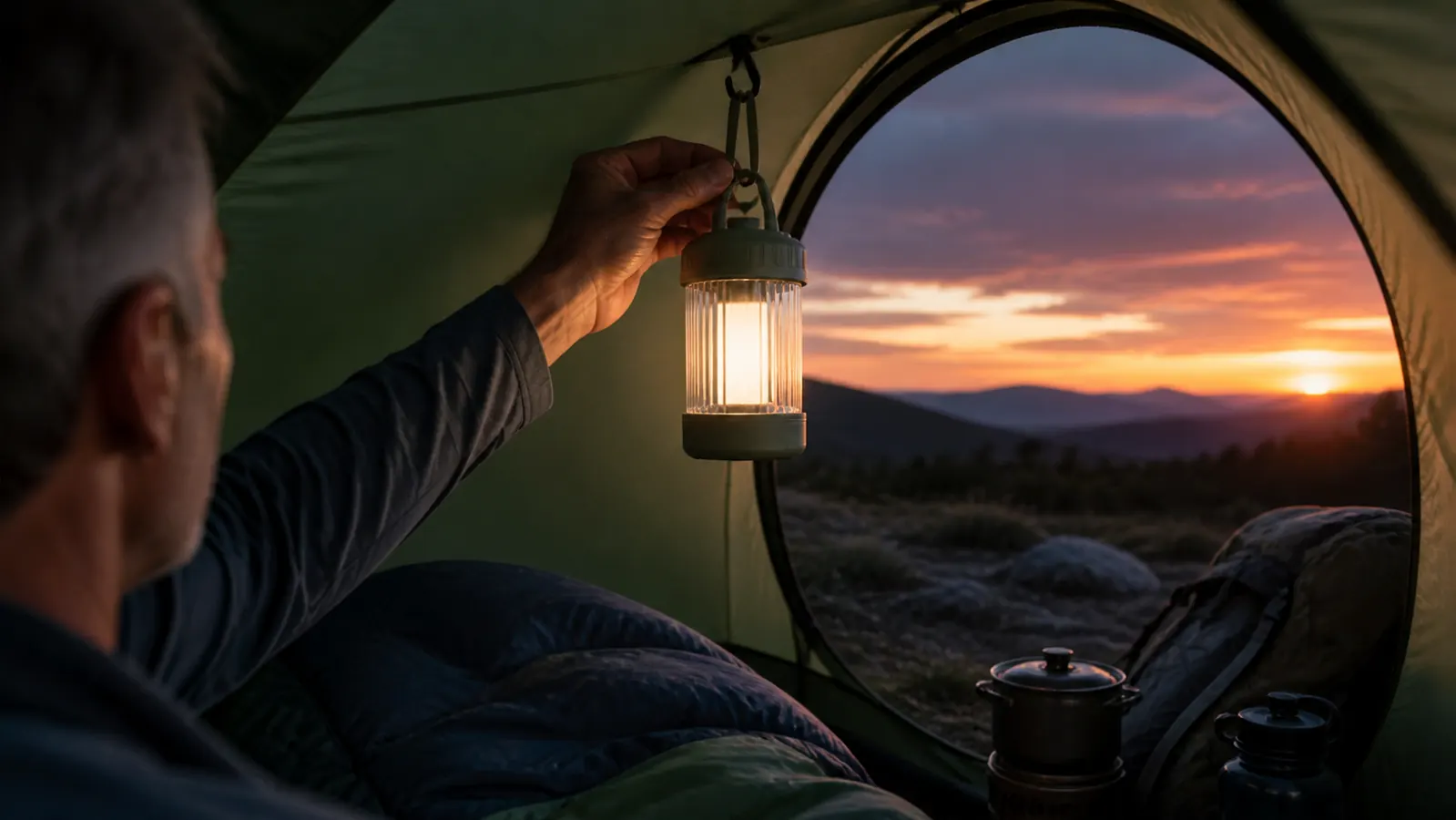
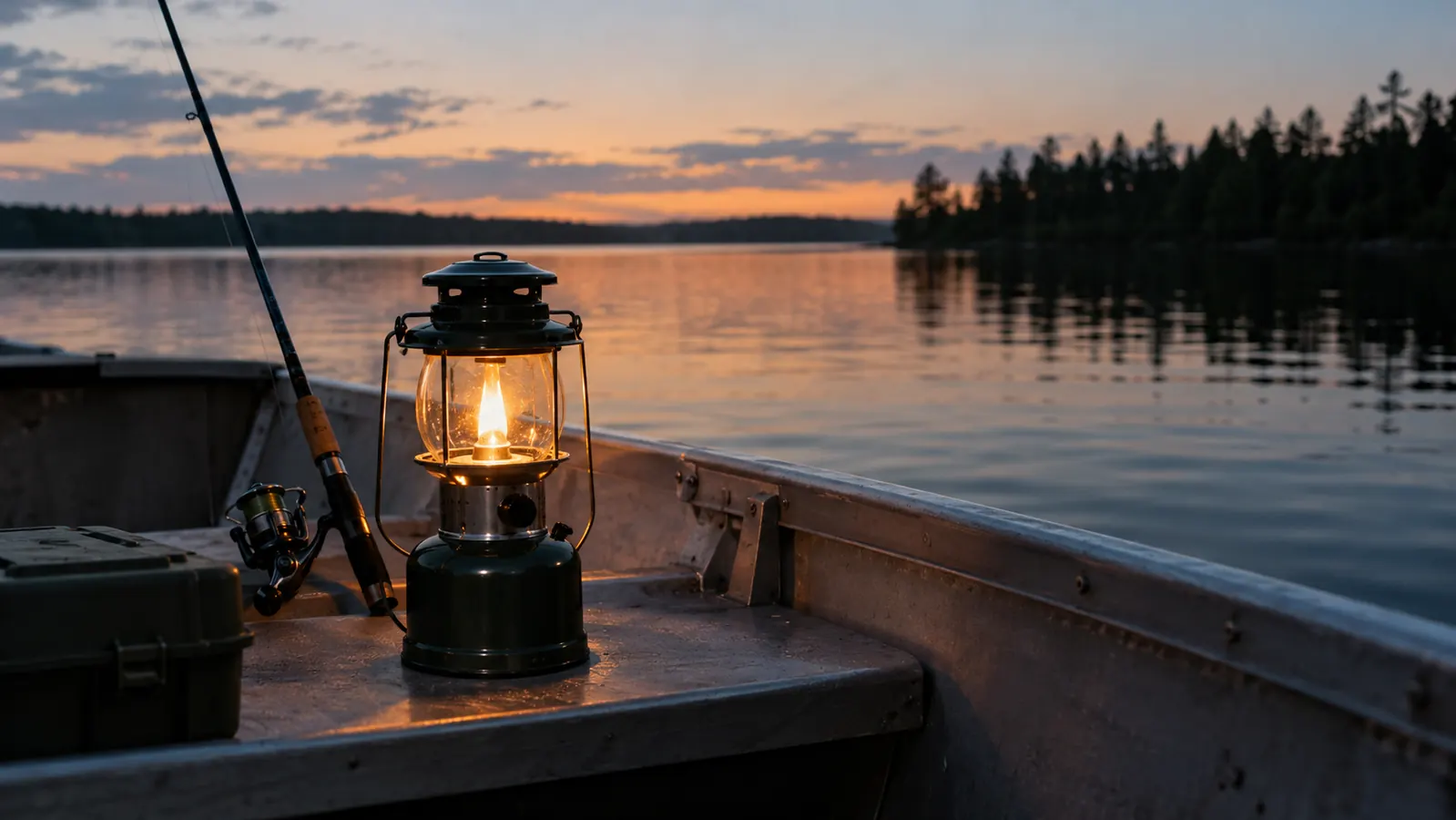
Most nights it hangs from the loop inside the tent while we read or talk, or it sits on the picnic table while we eat. On fishing nights it stands on the boat seat while I tie on a new lure, and on the tailgate when we clean fish by lantern light. That is the whole job description for a camp lantern, and it has done all of it without a single dead-battery walk back to the truck.
I am not gentle with camp gear. It rides loose in the bed, gets set down on gravel, and has been caught in a shower more than once. I mention that up front because a lantern that lives on a shelf will have an easier life than this one did.
The Battery Is the Whole Point
The old lantern ate eight D cells and still went dim by the second evening. I was forever packing a spare set, and then the spares would be dead too because they had sat in a hot truck all summer. The Lepro takes a charge through a USB port and holds it. On the low and medium settings I have gone a full Friday-to-Sunday weekend and never once thought about the battery.
The battery is rated at 4400 mAh, which means nothing to me except that it lasts. The routine is simple: I plug it in the night before a trip, and by morning it is full. I top it off from the truck or a small power bank when I remember, and I have never once been stuck in the dark. One night I left it on the brightest setting for a couple of hours while we cleaned fish, and it still had plenty left for the tent afterward.
That is the real test for me. Not the spec sheet, but whether I stop carrying batteries. I have not bought a D cell since April, and the spare pack that used to live in the truck bed is gone. For a weekend camper, that convenience is the whole reason to switch.
The cold is worth a mention. On a cool night in late October the lantern did not seem to lose anything, which surprised me because rechargeable batteries hate cold. I cannot promise how it behaves in a hard freeze, but for the camping season I use, the battery has been a non-issue.
Four Light Modes, and Which Ones Earn Their Keep
The lantern has four light modes. I use three of them. The lowest setting is the one that gets the most work because it is plenty for reading in the tent and it runs the longest. The middle setting is the all-around one for dinner and cards at the table. The brightest mode is a real work light, good for cooking and for fishing at dusk, but it drains the battery fast, so I use it in short bursts.
The fourth mode I have barely touched. It is there if I need it, and I am glad it exists, but in a few months of camping I have not found a reason to switch to it. That is not a complaint. A lantern with a setting I do not use is better than one that lacks a setting I need.
The switch is one button on top, and it cycles through the modes. It is simple enough that Terri uses it without asking, which is the highest compliment camp gear gets in our house. The light itself is a soft, even glow rather than a harsh spot, and it does not wreck your night vision the way the old incandescent one did.
One more note on the light itself. It is easy to read by, and it does not make the tent feel like a gas station parking lot. The light is soft and does not attract every bug in the county the way a harsh white beam does. I noticed that difference on the first night.
How It's Held Up After a Few Months
Here is where I was ready to be disappointed, because cheap rechargeable gear often dies young. The Lepro has been dropped on gravel, set down in mud, left out in a light rain, and bounced around in the truck bed all season. The body still feels solid, the button still clicks, and the charging port cover still snaps shut.
The hook on top is metal and has held the lantern from the tent loop every night without slipping. The base is flat enough that it stands steady on a picnic table and on the boat seat, even with a little chop on the water. Nothing has cracked, nothing has rattled loose, and the light output looks the same now as the day I bought it.
The one wear point so far is the finish on the bottom, which has picked up scuffs from riding loose in the bed. That is cosmetic and I do not care. What matters is that the electronics have held up, and that the battery has not faded the way rechargeable batteries sometimes do after a season.
I also want to say the light has not dimmed. Some LED gear fades after a season, and you barely notice until you put it next to a new one. I put this one next to a fresh lantern out of the box and could not tell them apart. That counts for a lot.
What I Compared It To
I ran it side by side with a Coleman classic lantern that a buddy brought along one weekend. His ran on batteries, and by Sunday morning his was dim while mine was still going. That is not a fair fight on paper, but it is exactly the fight that matters at a campsite. The Lepro also went up against a cheap single-LED lantern I keep in the truck for emergencies, and there was no comparison in light quality.
The Coleman has one thing the Lepro does not: it takes batteries you can buy anywhere, which matters if you are out for weeks with no way to charge. For my kind of camping, weekends and one week in July, that advantage never came up. I would rather charge one lantern at home than carry batteries for it.
I also thought about the little keychain lights and the headlamps in my gear box. They have their place. But when the whole campsite needs light, a lantern is the tool, and this one does the job with less fuss than anything else I have tried.
The comparison that convinced me was not a test. It was the night I grabbed the Lepro without thinking, the way you grab a tool you trust. I never once reached for the old lantern after the first trip. That is the review that matters.
Where It Falls Short
Now the honest part. The charge indicator is a row of little lights, and it is vague. It tells you full, half, or low, but there is no way to know if you have two hours or six left on the middle setting. I have learned to just charge it before a trip and stop worrying, but I would like a real battery readout.
The hook is a little small for the thicker tent loops. In our tent it works fine, but at one campground the loop was too heavy for it to close around, and I ended up hanging the lantern from a strap instead. The brightest mode also drains the battery quickly, so the full 1000 lumens is a tool, not a setting you leave on.
And once, after a long day, I packed the lantern into the bag without turning it off. It got bumped in the truck and switched itself on, and I found it glowing in the morning. That cost me some battery, not a fire, and it is on me, not the lantern. A lock mode would fix it, and this one does not have it.
The last gripe is small. The lantern does not come with a case, so it rides loose in the truck and picks up scuffs. I wrap it in a towel when I remember. A cheap case would make it perfect, and it is the one thing I would add.
What I Liked
- One charge runs a full weekend on the low and medium settings
- Bright enough to cook by and clean fish by
- No more D cells to pack, store, or replace
- Survived gravel, rain, and a summer in the truck bed
- Charges from a USB port or a small power bank
Where It Falls Short
- Charge meter is vague, with no real readout of time left
- Hook is small for some thicker tent loops
- Brightest mode drains fast, so I use it in short bursts
- No lock mode, and it can switch itself on in a bag
- The base scuffs up from riding loose in the truck
I charged it once before a Friday-to-Sunday trip and never thought about it again. That is the whole review.
Who This Is For
This is for the weekend camper and the shore angler who is tired of feeding batteries to an old lantern. If you camp ten to fifteen nights a year, fish after dark, and want one piece of gear you can charge and forget, this is that piece. It suits the way most working people actually camp: arrive Friday, set up in the dark, make dinner, sleep, and do it again without a hardware store run.
If you are the kind of person who packs the night before and forgets something every trip, this lantern forgives you. Charge it whenever you remember, and it will be ready when you are. It has turned one small recurring annoyance into nothing at all, and that is what good camp gear does.
Who Should Skip It
Skip it if you need a work light that runs at full brightness for hours every single night. The brightest mode is excellent, but the battery is not infinite, and a bigger lantern or a good headlamp will serve you better. Skip it if you are heading into the backcountry for two weeks with no way to charge anything, because a lantern that takes AA batteries is easier to feed out there. And skip it if you already own a good rechargeable lantern. This one is a great replacement for a battery eater, not a reason to replace gear that still works.
One more group: if you camp with a big group and you are the one who always brings the light, you might want something larger that throws light across the whole site. This lantern lights a table and a tent well. It is not a floodlight, and I would not pretend otherwise.
Still the first thing in my camp box
After a season of real use, this is the lantern I grab first and the one I would replace tomorrow if it broke. Check today's price on Amazon.
Amazon Check Today's Price on Amazon →